Keeping Your Grip: How Often Do You Really Need to Service Your Subaru AWD System in Albuquerque NM?
If you drive a Subaru around New Mexico, you probably bought it for one main reason: the Symmetrical All-Wheel Drive (AWD) system. It is the silent hero of your daily drive, keeping you glued to the road when a sudden afternoon thunderstorm turns the asphalt into a slip-and-slide, or when you are heading up to the ski basin on a snowy winter morning.
Because this system works quietly in the background 100% of the time, it is easy to forget that it has its own physical parts—gears, shafts, clutches, and fluid—that require routine attention to keep working properly. A common question that local drivers ask is: How often do I actually need to service my Subaru’s AWD setup?
Let’s cut through the confusing jargon and break down exactly what your drivetrain needs to stay healthy, how our local environment impacts those needs, and what you should expect during a typical service visit.
Why New Mexico Roadways Put Your Drivetrain to the Test
Before looking at a calendar or odometer, it helps to understand why our local geography matters so much. New Mexico is incredibly beautiful, but it is physically tough on vehicles. We experience extreme seasonal temperature swings, dry air filled with fine desert dust, steep mountain passes, and occasional heavy towing.
Under the hood of your vehicle, Subaru’s AWD system relies on front and rear differentials to split power between the wheels. These differentials contain specialized gear oil that prevents metal-on-metal wear. Over time, high heat breaks down this fluid, while dust and moisture can sneak past seals and contaminate it.
If you mostly drive flat, paved highways in mild weather, your fluids will last much longer. But if your daily routine involves climbing mountain roads, navigating dusty trails, or sitting in stop-and-go traffic during a 100-degree July afternoon, your vehicle is operating under what Subaru classifies as “severe driving conditions.” This means you need to inspect your drivetrain fluids more frequently to avoid expensive mechanical failures down the line. If you neglect your scheduled Subaru AWD service in Albuquerque NM, you very well could end up facing hefty repair bills that could have easily been avoided with a simple fluid swap if caught early enough.
The Anatomy of a Subaru AWD Service in Albuquerque NM
When you bring your vehicle in for targeted drivetrain maintenance, a technician is focusing on the components that make the Symmetrical AWD system work. This isn’t just a standard engine oil change. Getting a regular Subaru AWD service in Albuquerque NM isn’t just about ticking a box in your maintenance booklet; it’s about protecting the heart of your vehicle’s handling capability.
During a professional visit, the technical team concentrates on three core areas:
1. Differential Fluid Exchange
The front and rear differentials are drained of their old, worn-out gear oil. The technician cleans the magnetic drain plugs—which naturally collect tiny metal shavings over time—and fills the units with fresh, high-quality synthetic gear oil designed to handle high pressures and extreme temperatures.
2. CV Axle Boot Inspections
The technician will closely examine the rubber boots protecting the constant velocity (CV) joints on your axles. If a rubber boot rips, grease escapes, and abrasive New Mexico road sand gets inside, quickly destroying the axle joint. Catching a torn boot early saves you from needing to replace the entire axle assembly.
3. Tire Tread Measurement
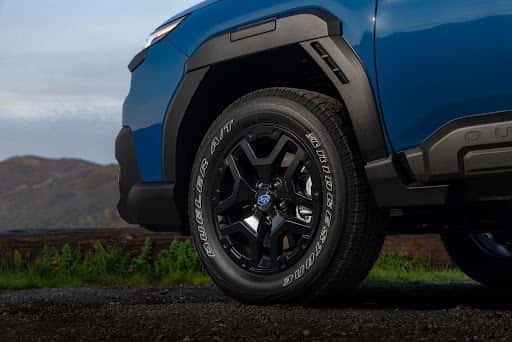
Because Subaru’s AWD system sends power to all four wheels simultaneously, all four tires must have virtually identical rolling diameters. Even a small difference in tread depth between your tires forces the AWD system to work harder, generating excessive heat and putting unnecessary strain on the center transfer clutch. The technician will measure your tread depths to ensure they are within safe operating tolerances.
Routine Intervals: When to Schedule a Visit
While your owner’s manual is the ultimate guide for your specific model and year, Subaru has established a baseline for today’s models. Here is how the service intervals typically shake out:
Every 6,000 Miles: The Check-In
During your routine oil changes and tire rotations, your technician should perform a quick visual inspection of the AWD components. They will check for any visible gear oil leaks around the axle seals and verify that your tires are wearing evenly.
Every 30,000 Miles: The Major Inspection
This is the milestone where your differentials get a thorough evaluation. A technician will check the condition of the front and rear differential gear oils. If you frequently drive in harsh conditions, tow trailers, or enjoy off-road adventures, this 30,000-mile mark is often the ideal time to proactively drain and refill those fluids.
Every 60,000 Miles: The Standard Fluid Exchange
If you drive under normal, everyday conditions, 60,000 miles is the standard manufacturer recommendation for replacing your front and rear differential fluids. At this point, the fluid has gone through years of heat cycles and friction, and fresh gear oil is highly recommended to protect the internal gears from wearing down.
Real-World Warning Signs You Shouldn’t Ignore
You do not always have to wait for the odometer to tell you when it is time for a visit. Your car is excellent at communicating when something is wrong. Keep your ears and eyes open for these common warning signs:
- Whining or Howling Noises: If you hear a high-pitched whining or low howling noise coming from underneath the car—especially when you are accelerating or turning—it is a classic sign of worn-out differential fluid or failing bearings.
- Shuddering During Tight Turns: If the car shudders or feels like it is binding up when you make a tight turn in a parking lot, the center differential or transfer clutch may be struggling to slip properly.
- Uneven Tire Wear: If one tire is wearing down much faster than the others, it can cause severe mechanical stress on the AWD system. This needs to be addressed immediately with a proper wheel alignment and tire inspection.
Why Choosing a Dedicated Subaru Dealership in Albuquerque Matters
Because Symmetrical AWD is a highly specialized system with precise engineering tolerances, taking your vehicle to a general quick-lube shop can sometimes lead to mistakes. Using the wrong grade of gear oil, underfilling a differential, or misidentifying drain plugs can lead to catastrophic mechanical failures.
Working with a dedicated, local Subaru dealership in Albuquerque ensures that factory-trained technicians who work on these drivetrains every single day are handling your vehicle. They use genuine OEM fluids specifically formulated for Subaru’s unique mechanical tolerances, helping you maintain your factory warranty and drive with complete peace of mind.
If you are approaching a maintenance milestone or want an expert to check out your drivetrain, you can schedule an appointment or speak directly with the service team at Fiesta Subaru, located at 7100 Lomas Blvd, Albuquerque, NM 87110.
FAQ: Quick Answers for Smart Owners
Can I replace just one damaged tire on my Subaru?
Generally, no. Because the AWD system relies on identical rolling speeds at all four corners, a single brand-new tire paired with three worn tires will spin at a slightly different rate. This constant speed difference tricks the system into thinking a wheel is slipping, causing continuous friction and heat build-up that can ruin the center differential. If you must replace one tire, its tread depth should be within 2/32nds of an inch of the other three. Otherwise, it is safest to replace all four at once.
What is the difference between differential fluid and transmission fluid?
They are completely different fluids designed for different tasks. Your transmission fluid manages the gear ratios and hydraulic pressure within the transmission. Differential fluid (or gear oil) is a much thicker oil specifically designed to lubricate and cushion heavy, high-pressure gears inside the front and rear differentials. Both require separate maintenance intervals.
How do I know if my driving habits count as “severe”?
If you regularly drive in any of the following conditions, your Subaru falls under the “severe” maintenance schedule:
- Frequent short trips under 5 miles in cold weather.
- Regular driving in dusty, sandy, or salty environments.
- Navigating steep hills, mountain passes, or rough dirt roads.
- Towing a trailer or carrying heavy cargo on top of the vehicle.
Will skipping AWD service void my Subaru warranty?
It can. If an AWD component fails and the manufacturer discovers that the fluid was never inspected or changed according to the recommended service schedule, the repair may not be covered under your powertrain warranty. Keeping detailed service records is highly recommended.


Comments
Post a Comment