Navigating Mountain Slopes: Essential Care for Your Subaru’s Brakes and All-Wheel Drive
Driving around central New Mexico is an incredible experience, but it tests your vehicle in ways flatland drivers never have to worry about. Whether you are commuting up Highway 14 toward the Sandia Crest, heading out on a weekend trip to Jemez Springs, or coasting down steep mountain passes, your car takes a beating.
Subaru vehicles are famous for handling tough terrain thanks to their Symmetrical All-Wheel Drive (AWD). But when you are riding the brakes down a 10% incline or pushing through loose dirt and gravel, two critical systems bear the brunt of the workload: your braking system and your front and rear differentials. Understanding how mountain driving impacts these components and staying proactive with routine maintenance, keeps your crossover running safely and smoothly across the high desert.
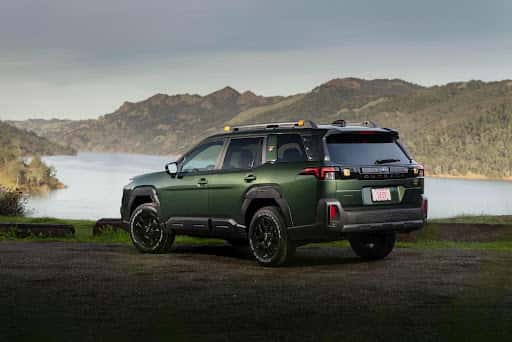
The High-Desert Reality: How Mountain Grades Stress Your Brakes
Driving downhill sounds easy on paper, but it is actually one of the hardest things an engine and braking system can endure. Gravity constantly pulls your vehicle down the slope, forcing you to apply steady pressure to the brake pedal to maintain a safe speed.
When brake pads press against metal rotors, friction creates intense heat. At the higher elevations we experience in Albuquerque and surrounding areas, thin air doesn’t dissipate that heat as quickly as moist sea-level air. Over time, that constant thermal buildup leads to several distinct issues:
1. Warped Brake Rotors
When rotors overheat repeatedly during long mountain descents, the metal can expand unevenly or develop heat spots. This surface distortion causes vibration or pulsation that you feel through your steering wheel and brake pedal whenever you slow down from highway speeds.
2. Rapid Brake Pad Wear
Standard stop-and-go city traffic wears down friction material over time, but mountain driving accelerates that process significantly. Heavy vehicles packed with camping gear or passengers put extra force on the front brake pads, causing them to thin out much faster than normal.
3. Brake Fluid Degradation
When brakes reach extreme temperatures descending steep grades, contaminated brake fluid can actually boil. This creates air bubbles within the hydraulic lines, resulting in a soft or “spongy” brake pedal that requires you to push much further down to come to a complete stop.
When to Schedule Subaru Brake Repair Albuquerque Drivers Trust
Knowing the warning signs of brake wear lets you catch small problems before they turn into costly rotor replacements or unsafe stopping conditions. Keep an ear out for these early warning signals:
- High-Pitched Squealing: Small metal indicator tabs attached to your brake pads are designed to make a sharp squealing noise when the friction material wears down to roughly 2 to 3 millimeters.
- Harsh Metallic Grinding: If you hear a deep grinding sound when stopping, your brake pads are completely worn through. Metal backing plates are now scraping directly against the rotors, causing immediate damage.
- Vehicle Pulling to One Side: If your car pulls left or right when braking, you may have a sticking brake caliper, uneven pad wear, or a hydraulic fluid restriction.
- Burning Smell After Downhill Driving: A sharp, chemical odor after coming down a mountain pass indicates severe friction overheating. Pull over safely, let the brakes cool down, and have the system inspected as soon as possible.
When you bring your vehicle in for Subaru brake repair Albuquerque specialists inspect pad thickness, measure rotor thickness with precision micrometers, check caliper slide pins, and test the moisture content in your hydraulic fluid. Replacing worn pads early ensures your rotors stay smooth and heat-resistant for future trips into the mountains.
Protecting Symmetrical AWD with a Subaru Differential Fluid Change
While your brakes handle stopping power, Subaru’s Symmetrical AWD system manages power delivery to all four wheels. At the heart of this system are the front and rear differentials. These mechanical gearboxes transfer engine power from the driveshaft to the individual axle shafts, allowing the wheels to rotate at different speeds when turning corners or traction slips.
Inside every differential, heavy-duty gear oil lubricates precision-cut teeth. Over time, heat, friction, and normal wear break down that oil, causing it to lose its protective viscosity.
Why Fresh Differential Fluid Matters in New Mexico
- Heat Management: High outdoor temperatures combined with the friction of continuous AWD engagement heat up differential fluid quickly.
- Contamination Control: As internal gears mesh together, micro-fine metal shavings naturally wear off. A periodic Subaru differential fluid change flushes out trapped metal debris before it can grind against gear teeth and damage bearings.
- Traction Performance: Clean fluid maintains consistent pressure and lubrication within limited-slip or electronically controlled differential units, keeping Subaru’s X-MODE® traction system working smoothly through mud, sand, and deep snow.
Skipping differential maintenance can lead to gear whine, harsh driveline vibrations, or total differential failure, which requires an expensive assembly replacement.
The Role of Certified Subaru AWD Service Albuquerque NM Owners Rely On
Maintaining a high-capability crossover requires more than basic quick-lube oil changes. Subaru’s sophisticated driveline components, including the Continuously Variable Transmission (CVT), transfer case, and differential assemblies, are precisely engineered to work together.
Choosing specialized Subaru AWD service Albuquerque NM ensures your vehicle gets exact-viscosity factory fluids and genuine OEM filters. Factory-trained technicians understand the exact service schedules required for vehicles that tow trailers, carry heavy roof loads, or frequently navigate steep elevation changes across the Southwest.
Complete Driveline Care at Fiesta Subaru
Whether you are prepping for a weekend mountain adventure or simply keeping up with your daily commute, keeping your brakes and AWD system in peak condition guarantees a safer drive. When you need clear answers, transparent pricing, and factory-certified care, rely on the service team at the local dealership of Fiesta Subaru.
The dealership is located conveniently at 7100 Lomas Blvd NE, Albuquerque, NM 87110, and their state-of-the-art newly built service center handles everything from routine pad replacements and rotor resurfacing to complete differential fluid flushes. Their technicians use specialized diagnostic tools and genuine OEM components engineered specifically for your model’s weight and performance limits.
Frequently Asked Questions
How often should I get my Subaru brakes and AWD system checked in New Mexico?
In New Mexico’s mountain environment, you should have your brakes visually inspected every 6,000 miles during routine oil changes. The front and rear differential fluids should be inspected every 15,000 to 30,000 miles and changed immediately if you frequently tow, drive on dirt trails, or navigate steep elevation changes.
Can I just use engine braking when driving down Sandia Crest or Jemez mountain passes?
Yes! Downshifting your transmission (or using paddle shifters to select a lower manual gear ratio) uses engine compression to hold your vehicle at a steady speed down steep grades. This technique significantly reduces friction heat and prevents your brake pads from overheating.
Why does my steering wheel shake when braking from high speeds?
A shaking steering wheel during deceleration is almost always caused by warped or heat-damaged brake rotors. Uneven friction surfaces cause the pads to bounce slightly off the rotor, transmitting vibrations up through the suspension and steering column.
What happens if I never change my Subaru differential fluid?
Neglecting differential oil causes metal shavings and sludge to build up inside the gearbox. Over time, the fluid loses its lubricating properties, causing internal bearings and gear teeth to overheat, whine loudly, and eventually lock up, resulting in thousands of dollars in repairs.
Where can I schedule certified brake repair and AWD service in Albuquerque?
You can book certified maintenance, brake inspections, and differential services online or by visiting Fiesta Subaru at 7100 Lomas Blvd NE, Albuquerque, NM 87110.


Comments
Post a Comment